Taking Care of Your Dry Skin in Winter

The winter weather can wreak havoc on our skin. It can be even worse if you have sensitive skin to begin with. It’s important not to ignore the beginning signs of dry skin, since it can quickly become flaky and cracked if ignored. Cracked skin can lead to pain, bleeding and even skin infections. Here are some ways to take care of your dry skin in the wintertime.

Stock Up on Good Quality Lotions, Creams and Moisturizers

Lotion is an absolute must in the winter. You’ll find that you need to moisturize much more often than you do the rest of the year. Having several bottles of good quality moisturizer or cream in your house, in your car and in your purse or backpack will keep you prepared. Apply it on your hands and forearms several times a day, as those are the areas that tend to get the driest. But also apply to your whole body right after a hot shower, that will ensure your skin will stay moisturized longer. The pharmacy near me has a great selection of lotions, creams and moisturizers, and I can also consult the pharmacists there for the products that suit my skin. If needed, they also offer skin compounding service, providing compounded medications with specific strengths, dosages and forms for skin conditions such as eczyma and psoriasis.

pumping lotion on hand

Don’t Forget About the Kiddos

Kids tend to get incredibly dry skin in the winter, and may not think or be able to tell you. Be sure you’re applying lotion daily to sensitive areas. Always check the ingredients and try to use unscented or undyed when possible. And don’t forget the diaper cream!

Beware of Irritants

Dry flaky skin can be especially sensitive to irritants. So it’s important to be aware of what kind of products you’re using on your laundry in the winter time. If you use a wash and fold service, or take items to the dry cleaner, be sure to let them know about your sensitive skin and allergies.

Aging Skin Can be Particularly Dry and Sensitive

If you are caring for an elderly family member, be sure to keep their skin moisturized in the winter time as well. Any home caregivers or medical help should be aware of any sensitivities or allergies your loved one has. Keep an eye out for reactions from certain products.

Dry skin can be a nuisance, but by taking a few extra steps in the winter, you can keep your skin soft and moisturized.


Getting Ready for Winter

The colder weather is coming, and we’re still in a pandemic. Putting a little effort into preparing now will make the winter a whole lot easier to handle. Here are some great tips to keep in mind while you’re getting ready for winter.

a house in winter snow.
Photo by Kelly Lacy on Pexels.com

Stay Healthy

Winter is already smack dab in the middle of cold and flu season, and now we have COVID-19 to worry about as well. Stock up on hand sanitizers and cleaning supplies, but don’t hoard! Just pick up one or two extra each shopping trip until you have a small supply to get you through the winter months. Don’t forget to get your flu shot at the local pharmacy. Now it’s even more important than ever to keep up on your vaccinations.

Stay Warm

Even with lots of preparation, unexpected problems may occur like a broken furnace or power outage. You don’t want to be without heat in subzero temperatures. Your local pharmacy or supermarket might carry small space heaters. Also, consider buying a power generator, if you don’t have one yet, in case of power outages. If it’s a propane generator, then make sure you get a reliable propane supplier. Now is also a perfect time to take all your winter coats and down comforters to the dry cleaners, so they’re fresh and clean when you need them. Your summer clothes should be cleaned and put into storage too, if you still haven’t done so.

Prep You and Your Family’s Skin

Harsh temperatures can wreak havoc on the skin. It can even cause some pretty gnarly diaper rash for your little ones. My local compounding pharmacy in Newton makes a fantastic diaper rash cream called Baby Ease, which you can buy online. Make sure you have plenty of body lotion and rash cream, which, of course, can be found at your local pharmacy.

Check on Your Loved Ones

If you have elderly parents or loved ones who live alone, make sure you check in often during the winter. You may even want to consider getting companion care services from a home care agency. Even if your elderly loved ones are still healthy, the cold months can bring in the winter blues. A professional caregiver can keep an eye on your loved one’s behavior as the nights get longer, watching for mood changes. Home caregivers are also trained to provide meaningful conversation and engage seniors in activities at home. A little extra help and companionship will keep your loved one mentally and physically healthy. 

Hope these simple tips will help you and yours be ready for a safe and healthy winter. 

Gardening Tips You May Not Have Considered

Gardening season is here! After the last few months we’ve had, spending time outside with our hands in the dirt is incredibly welcome. While gardening is a great hobby to have, it also helps to be prepared. Here are some gardening tips you may not have considered.

Prep for the Bugs

Bugs are inevitable when it comes to gardening, it comes with the territory. But with a couple of precautions, you can be ready for those creepy crawly gardening buddies. Your local drugstore or pharmacy will have all the insects sprays you need to keep protected, including kinds for sensitive skin. Be sure to look for calamine or aloe lotion to soothe itchy insect bites.

Protect Your Skin From the Sun

Even if you’re just spending a few minutes outside watering your plants, it’s essential to protect your skin from the sun. If your skin is on the pale side or you tend to burn easily, look for sunscreens at your nearby pharmacy with an SPF of at least 50.

Gardening activity

Be Prepared for Cuts and Scrapes

Weeding your garden can come with some drawbacks, like cuts and scrapes. Use good quality garden gloves to stay protected and keep a stash of first aid supplies nearby. Your local drug store will have bandaids, antibacterial cream, gauze and all the necessary things you need in the event you hurt yourself gardening.

Remove Dirt Stains

Grass and dirt stains aren’t easy to remove from clothing, so it’s best to designate some clothes specifically for gardening that you won’t mind if they get a little grungy. However, if you want to have your gardening clothes clean and stain-free, take them to the dry cleaners nearby. Be sure to tell your local Boston dry cleaner how your clothes were stains, so they can treat accordingly.

Consider Planting a Garden for a Loved One

Your elderly friends or family members may still enjoy gardens but can’t take care of them because of physical limitations or mobility issues. Planting and tending to a garden for someone else is an amazing gift, and can be so rewarding. Alternatively, a home care aide can provide great companionship by tending to the garden with your loved one.

Have fun gardening this season and take a few small precautions to stay safe and healthy in the summer sun!

Dealing with Skin Allergies

So many Americans are affected by skin allergies, so much so that skin allergy remedies are a lucrative industry. Different factors can make skin allergies worse like weather, pollen and common airborne allergens. Here are some tips for those dealing with skin allergies.

Check With Your Local Pharmacy

Skin allergies are sometimes tricky to treat since they vary so much from person to person. Check with a compounding pharmacy about medications specifically for your individual needs. Compounded medications for skin will be specially formulated for you by type and dosage, so you’ll get the quickest most reliable results.

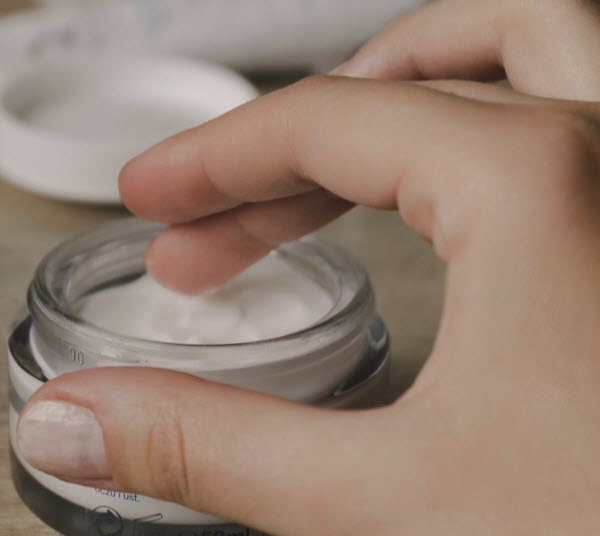
fingers scooping moisturizing cream

Be Aware of What Fabrics Irritate Your Skin

You may be unaware that some of the clothing you wear regularly is irritating your sensitive skin. It could be the fabric itself, or the detergent you’ve been using to wash them. Always look for “free and clear” detergents that don’t contain any dyes or perfumes. Additionally, look for a local green dry cleaner nearby that tailors to those with sensitive skin. Ask for no fragrances and hypoallergenic products. 

Check With Your Doctor

Sometimes skin allergies could be pointing to a more serious health problem. If your skin suddenly becomes dry or irritated, its best to have it checked out by your doctor or dermatologist. Raised rashes, odd-shaped markings or irritation paired with fevers should always be checked by a medical professional right away.

Moisturize Frequently

Dry weather or heat can bring on skin allergies, especially if you’re already prone to dry skin. To avoid this, I always keep my skin moisturized with a natural, perfume-free lotion or oil. I like to buy lotions and creams specifically formulated for sensitive skin at a local drugstore near me, which also can fill prescriptions from my dermatologist. Older people also tend to have dry skin, so family caregivers or professional home health aides should also take care to keep their loved one or client’s skin moisturized.

Skin allergies are a pain, but they don’t have to be. Take care of your skin and take care of each other.

Laundry and Cleaning Tips for People With Sensitive Skin

Do you have sensitive skin? Since 70% of Americans describe themselves as having sensitive skin, I’m going to guess that you do. Sensitive skin is defined as skin that gets easily irritated by the use of products with added perfumes, dyes, or chemicals. Irritation can present itself as redness, itchiness, or even rashes. So if you have sensitive skin, you should be careful, otherwise you would end up spending a lot of money on skin products or even need to see a dermatologist for compounded medicine for skin care. Fortunately, there are easy precautions you can take when it comes to doing the laundry or cleaning in your home, to avoid aggravating your skin.

woman handling clothes at home
Photo by Sarah Brown on Unsplash

Always Read Labels

Whether it’s laundry detergent, cleaning products, or face wash – I always read the labels on any product I buy to look for ingredients that may irritate my skin. Sometimes that can be tricky if you’re not sure which ingredients are causing your irritation. Thankfully, since sensitive skin is such a common thing, it’s easy to find products made especially for that very thing. Look for labels that say “hypoallergenic,” “green,” or “free from dyes and perfumes.” 

Test Products First

Trying a new laundry detergent or body wash can be nerve-wracking if you’re not sure how your skin will react. For this reason, try testing first. For laundry detergent, wash just a few items and try wearing them for a few hours. If no redness or irritation occurs, you’re probably in the clear. Most stores will even allow you to return products if they end up being a problem for you skin. But to be on the safe side, I would check the store policies before buying.

Let Your Laundry Delivery Service or Dry Cleaners Know

If you use a laundry delivery service or take your clothes to a dry cleaner often, make sure you let them know about your sensitive skin. Most dry cleaning services have an alternative soap or detergent to use for people with concerns about irritants. Green dry cleaners, in particular, will usually have a “green” or “natural” option for certain items. It never hurts to ask.

Sensitive skin doesn’t have to change much in your routine. Be aware of the products you’re using and take extra precautions, and your skin will thank you.

Prescription Drugs that Treat Acne

Acne is a troublesome skin issue that can affect people of all ages, ethnicities, and backgrounds. Pimples certainly don’t discriminate. And when it comes to treating acne, some look to prescription drugs when over the counter creams and washes fail to work. Some even go further and get compounded medications for skin conditions from certified compounding pharmacies. Let’s take a closer look at the prescription medications commonly prescribed by dermatologists.

Antibiotics

Before a doctor prescribes a strong medication, they usually like to start with antibiotics. When someone suffers from chronic acne, there’s a lot of inflammation under the skin. Unfortunately, antibiotics tend to only treat this symptom and not the underlying cause. Also, being on antibiotics long term can mess with your immune system, so keep that in mind before getting that prescription refill.

woman touching her face with acne

Retin-A

This medicine, only available at a prescription pharmacy, has been shown to have virtually no side effects when used topically. However, if you’re using it to treat acne, it can be clogging to the pores, and even make your acne worse.

Accutane 

Accutane is an extremely strong prescription drug prescribed for severe cases of acne. The side effects are certainly serious enough to make you second guess that prescription delivery. Accutane has been linked to depression, Chron’s Disease, and even birth defects.

Acne Treatment Without Prescription Drugs

Before you run out to the local pharmacy to pick up that acne prescription refill, consider the underlying cause of your breakouts. The actual cause of acne is retention hyperkeratosis, which is when your pores tend to shed skin cells more quickly than usual. So if you get breakouts regularly, it’s essential to keep your pores clear from excessive buildups. Finding the right products to do this can be tricky, but a good rule of thumb is the fewer ingredients in your products, the better. You don’t want to contribute to the buildup in your pores by adding more pore-clogging products to your skin.

Keep It Simple

Look for products with clean, simple ingredients. A simple cleanser and light moisturizer is really all you need, so don’t be tricked into multiple products that are marketed towards acne sufferers. Adding more junk to your pores is not going to clear your breakouts.

So before you run out to your local pharmacy for a prescription refill, consider the real cause of your acne and try a simpler approach.

Are Essential Oils Safe?

Essential oils have become very popular in the last few years. These aromatic oils are used to freshen the air in homes, rubbed on the skin to brighten moods and boost the immune system, and even used in diffusers at night to help bring on a restful night’s sleep. So, are essential oils safe? And if so, what are the best ways to use them?

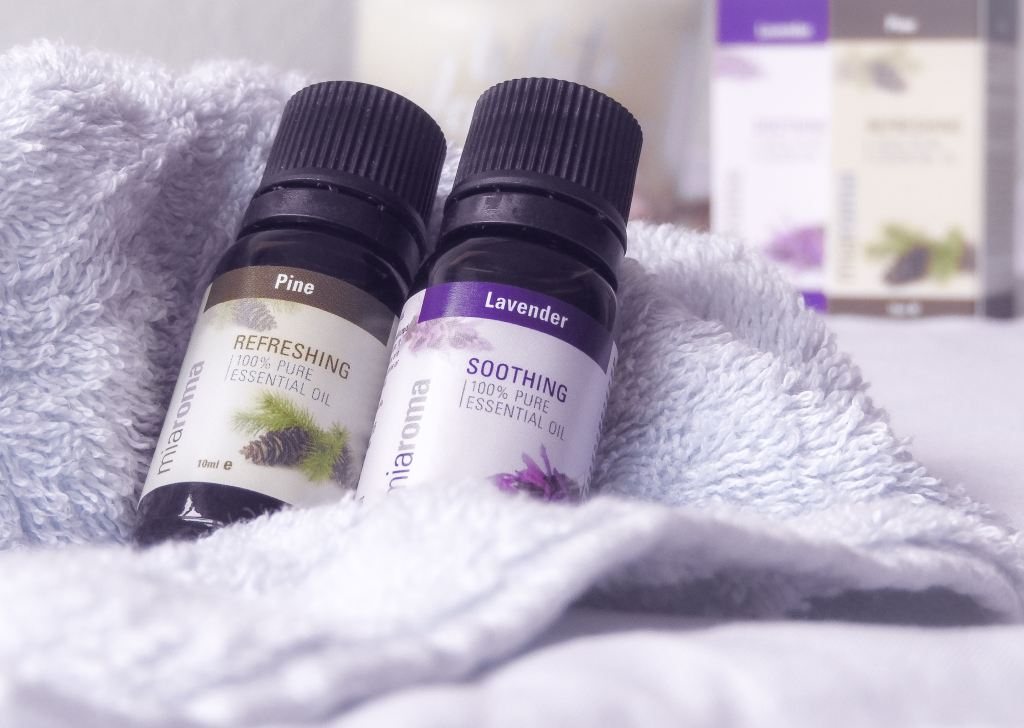
Essential oils - pine and lavender
Photo by Cosiela B. on Unsplash

Essential Oils are Safe if Used With Caution

Essential oils like lemon, eucalyptus, lavender and peppermint are all safe to use topically and diffused in the air. Studies have shown that the scents of these oils, and many others, can be soothing to the brain and can help with anxiety and depression. However, it is NEVER safe to ingest essential oils. Many oils are not regulated by the FDA, and you never know what else may be in that bottle, so save your oils for home use only.

Keep Away from Pets

Animals are very sensitive to essential oils. Since oils are in a concentrated form, they can be extremely potent to cats and dogs. Most of the time the smell alone will keep your pets away, but always make sure they’re kept out of reach and never put them in your pet’s food or water. You wouldn’t want your pet to get sick and have to see a veterinary doctor and take medications.

Be Careful With Fabrics

If you plan to use essential oils topically, like rubbed on the wrists, for example, be aware that they can stain clothing. While some oils will easily wash out in the laundry, some may cause stains if allowed to dry and set. But not to worry, it’s nothing that can’t be solved with a trip to the local dry cleaner.

Use a Steam Diffuser

Steam diffusers are a great way to safely enjoy the benefits of essential oils. Diffusers are generally inexpensive and use water and heat to spread your favorite scents into the air. You only need a few drops of oil to enjoy the effects for hours.

So remember, essential oils are safe when used with caution. Enjoy!