Laundry and Cleaning Tips for People With Sensitive Skin

Do you have sensitive skin? Since 70% of Americans describe themselves as having sensitive skin, I’m going to guess that you do. Sensitive skin is defined as skin that gets easily irritated by the use of products with added perfumes, dyes, or chemicals. Irritation can present itself as redness, itchiness, or even rashes. So if you have sensitive skin, you should be careful, otherwise you would end up spending a lot of money on skin products or even need to see a dermatologist for compounded medicine for skin care. Fortunately, there are easy precautions you can take when it comes to doing the laundry or cleaning in your home, to avoid aggravating your skin.
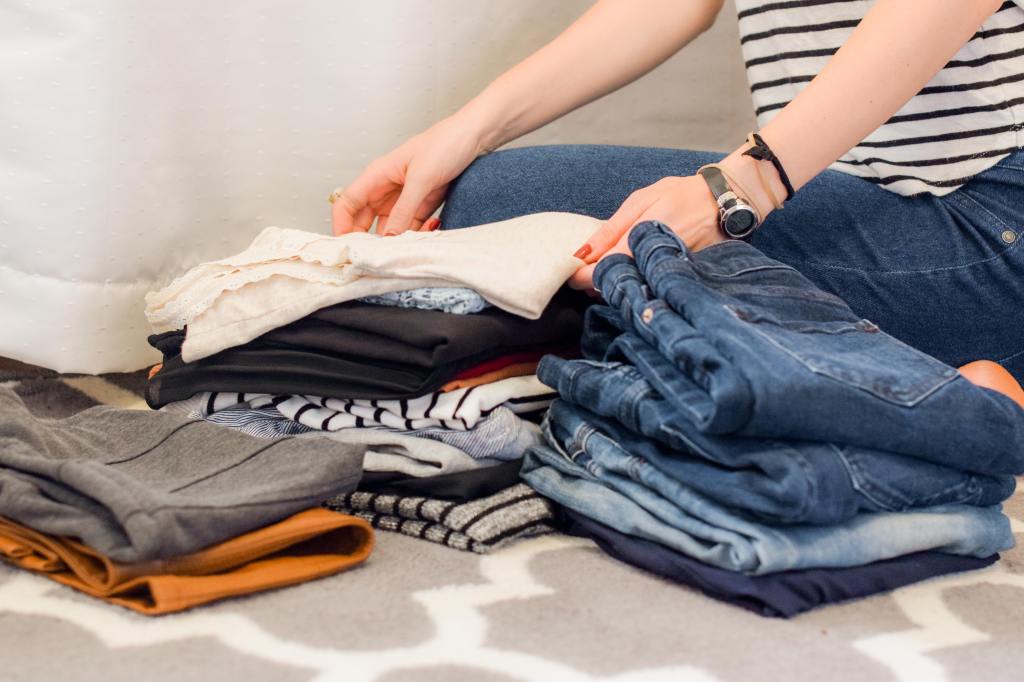
woman handling clothes at home
Photo by Sarah Brown on Unsplash

Always Read Labels

Whether it’s laundry detergent, cleaning products, or face wash – I always read the labels on any product I buy to look for ingredients that may irritate my skin. Sometimes that can be tricky if you’re not sure which ingredients are causing your irritation. Thankfully, since sensitive skin is such a common thing, it’s easy to find products made especially for that very thing. Look for labels that say “hypoallergenic,” “green,” or “free from dyes and perfumes.” 

Test Products First

Trying a new laundry detergent or body wash can be nerve-wracking if you’re not sure how your skin will react. For this reason, try testing first. For laundry detergent, wash just a few items and try wearing them for a few hours. If no redness or irritation occurs, you’re probably in the clear. Most stores will even allow you to return products if they end up being a problem for you skin. But to be on the safe side, I would check the store policies before buying.

Let Your Laundry Delivery Service or Dry Cleaners Know

If you use a laundry delivery service or take your clothes to a dry cleaner often, make sure you let them know about your sensitive skin. Most dry cleaning services have an alternative soap or detergent to use for people with concerns about irritants. Green dry cleaners, in particular, will usually have a “green” or “natural” option for certain items. It never hurts to ask.

Sensitive skin doesn’t have to change much in your routine. Be aware of the products you’re using and take extra precautions, and your skin will thank you.


Winter Hazards for Our Pets

If we humans find snow and ice such an inconvenience, imagine how our furry companions feel! The rock salt that we spread all over the ground to help combat the slippery ice can actually wreak havoc on the sensitive little paws of our doggy friends. The salt can also be damaging to their noses, skin and even digestive systems if ingested. So how can we be more careful in the wintertime to protect our precious puppies?

woman holding dog in snow

Keep Your Pup’s Feet Dry

It’s a good idea to rinse or wipe your dog’s feet off if they’ve been walking in the salt and ice. But make sure to dry them afterward. Wetness behind your dog’s toes can lead to bacterial or yeast infections, so it’s essential to keep their feet dry after spending time outdoors. Golden retrievers and labs are prone to skin infections due to wetness, as are most dogs with longer fur. If you own a long-haired breed, it’s a smart idea to keep the hair around their nails trimmed. This can cut down on bacterial growth.

Buy a Cute Dog Jacket and Booties

It’s impossible to keep your dog’s feet dry during the winter. So if you have a dog with sensitive skin, it might be worth it to buy your pal some booties. Dog booties are great to have for walks and playtime outside in the cold temps and look adorable. You might as well buy a matching jacket for those booties to complete the look. The jacket will give your dog an extra layer of warmth for those winter walks. Salt and ice melting products can easily stain fabrics, so when I don’t have time to remove the stains when I do the laundry, I would throw my dog’s outfits in with my clothes when I make my weekly trip to the dry cleaner near me.

Keep Up With Regular Vet Visits

Dogs can sick in the wintertime just like us. If you notice your doggy has a cough, or is fatigued and just “off”, be sure to take him or her to the vet right away. Sometimes special compounded medications or antibiotics with different strengths or flavors may be necessary to suit your pet’s unique biochemistry, so don’t try to treat them at home without the advice of a professional pharmacist.

Dogs are special. They keep us company, keep us safe, provide companionship for elderly and those with special needs, and they’re our best friends. Be sure to take care of your furry friends this winter, just like they take care of us!

How to Remove Pet Stains and Odors

We all love our furry friends, but the truth is they can be quite messy and smelly. Unlike humans, pets keep themselves warm with their soft fuzzy fur. But that fuzzy fur can shed, collect dander and be annoying to clean. Besides the hair, even the best-trained pets have accidents or throw up, usually in the most inconvenient of places. So for my fellow animal lovers, here are some tips on how to remove pet stains and odors from your home.

dogs running

Carpet Stains

Pet stains on the carpet are the most frustrating since I can’t pack up my floor and take it to the dry cleaner near me or throw it in the laundry. But before you call a professional carpet cleaner, try this method. After soaking up as much of the fresh stain as possible with a towel, mix two cups of warm water with two cups of vinegar and four tablespoons of baking soda. Pour the mixture into a clean spray bottle and saturate the stain. After letting sit for 10 minutes, blot dry with a towel. For extra odor removal, sprinkle baking soda on the spot after it has dried. Vacuum it up about 30 minutes later. The baking soda vacuum method is also excellent for musty pet smells on their favorite sleeping spots.

Fabric Stains

Has your pet ever thrown up or peed on a favorite item of clothing? You’re not alone. If you’re lucky enough to find the mess right after it happens, you may be able to treat it at home. However, for set-in stains, it’s best to leave it for the experts at dry cleaners or a local laundry delivery service. Be sure to explain the nature and specifics of the stain so they can use the best method for removal. To treat at home, use the same vinegar/water mixture mentioned above to saturate the stain. For heavily soiled items, pour some of the mixture into a shallow container and allow it to soak for at least an hour. After soaking, wash in on a normal cycle in the washing machine with warm water. If the odor remains, repeat the cycle. 

Remember for heavily soiled items or set-in stains, ask the experts at a dry cleaner nearby. And don’t get too frustrated with your pets, they may be smelly, but they sure are cute.

Easy Tips to De-Clutter and Organize Your Closet

Did you know that studies have shown that decluttering your home can actually reduce anxiety and depression, and ultimately fewer trips to the drug store for medications? It’s more than just appearance, getting rid of clutter and reorganizing storage spaces in your home can make you feel more relaxed and grounded. I know for me, my closets tend to get a little out of control after time. When I begin dreading opening the closet door, I know it’s time to declutter. So here are my favorite tips for organizing closets.

woman cleaning her closet

Start Trying on Those Clothes

The major culprit of bedroom closet clutter is clothing. Look, we all have piles of laundry in various states of cleanliness in our homes at some point, but how much of those clothes do you actually wear? Maybe it’s time for a fashion show! Start trying on those clothes and make piles of “Keep” “Donate” and “Storage”. There’s no shame in keeping clothes that no longer fit, but there’s no point keeping them in your closet. For the clothing that needs to be put in storage, I would take them to a dry cleaner near me first – it’s always important to clean before you store your clothes. And if there is too much clothing to take to the store yourself, use a laundry delivery service.

Dig Out Those Hidden Treasures

Cleaning out your closet always reveals those long lost forgotten items waiting to be made brand new again. Maybe that vintage dress hiding behind your winter coats just needs a quick trip to the local dry cleaner. Or maybe those faded jeans can be cut into summer shorts. Cleaning out your closet is a great way to make use of the items you already have that still have a lot of life left in them. Perhaps with some clever alterations, you can wear them again with pride.

Baskets and Hanging Storage

When it comes to closets, you can never have enough storage solutions. I like to use baskets on the closet floor to separate shoes, handbags, and belts and hanging storage containers for folded items like sweaters, sweatshirts and off-season clothes. Hanging storage containers made of cloth or canvas are inexpensive and easy to find. And they’re amazing for smaller and narrower closets. When it comes to baskets, you may even have some laying around somewhere that you’re not using, or they’re super easy to come by at flea markets and garage sales.

So remember, to lower those stress levels and turn your home back into a sanctuary, start decluttering those smaller spaces like closets and pantries. You might even end up having some fun and find a few treasures in the process.

Prescription Drugs that Treat Acne

Acne is a troublesome skin issue that can affect people of all ages, ethnicities, and backgrounds. Pimples certainly don’t discriminate. And when it comes to treating acne, some look to prescription drugs when over the counter creams and washes fail to work. Some even go further and get compounded medications for skin conditions from certified compounding pharmacies. Let’s take a closer look at the prescription medications commonly prescribed by dermatologists.

Antibiotics

Before a doctor prescribes a strong medication, they usually like to start with antibiotics. When someone suffers from chronic acne, there’s a lot of inflammation under the skin. Unfortunately, antibiotics tend to only treat this symptom and not the underlying cause. Also, being on antibiotics long term can mess with your immune system, so keep that in mind before getting that prescription refill.

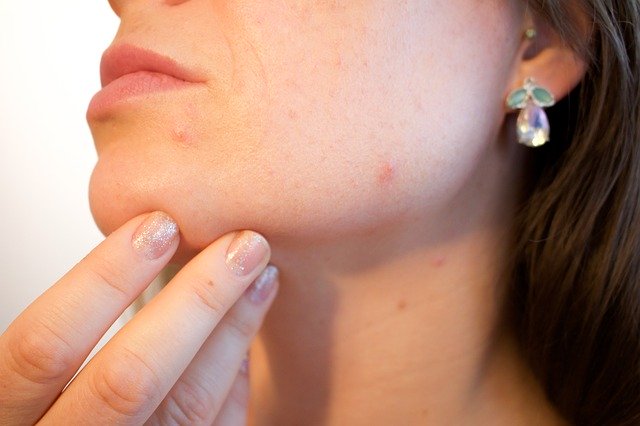
woman touching her face with acne

Retin-A

This medicine, only available at a prescription pharmacy, has been shown to have virtually no side effects when used topically. However, if you’re using it to treat acne, it can be clogging to the pores, and even make your acne worse.

Accutane 

Accutane is an extremely strong prescription drug prescribed for severe cases of acne. The side effects are certainly serious enough to make you second guess that prescription delivery. Accutane has been linked to depression, Chron’s Disease, and even birth defects.

Acne Treatment Without Prescription Drugs

Before you run out to the local pharmacy to pick up that acne prescription refill, consider the underlying cause of your breakouts. The actual cause of acne is retention hyperkeratosis, which is when your pores tend to shed skin cells more quickly than usual. So if you get breakouts regularly, it’s essential to keep your pores clear from excessive buildups. Finding the right products to do this can be tricky, but a good rule of thumb is the fewer ingredients in your products, the better. You don’t want to contribute to the buildup in your pores by adding more pore-clogging products to your skin.

Keep It Simple

Look for products with clean, simple ingredients. A simple cleanser and light moisturizer is really all you need, so don’t be tricked into multiple products that are marketed towards acne sufferers. Adding more junk to your pores is not going to clear your breakouts.

So before you run out to your local pharmacy for a prescription refill, consider the real cause of your acne and try a simpler approach.

Are Essential Oils Safe?

Essential oils have become very popular in the last few years. These aromatic oils are used to freshen the air in homes, rubbed on the skin to brighten moods and boost the immune system, and even used in diffusers at night to help bring on a restful night’s sleep. So, are essential oils safe? And if so, what are the best ways to use them?

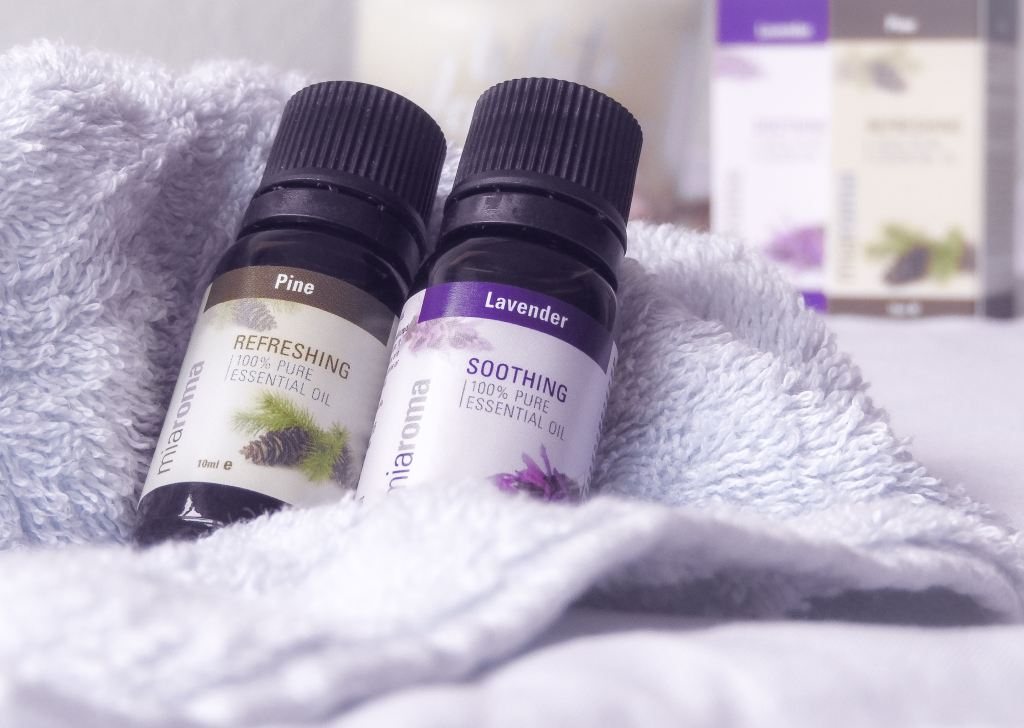
Essential oils - pine and lavender
Photo by Cosiela B. on Unsplash

Essential Oils are Safe if Used With Caution

Essential oils like lemon, eucalyptus, lavender and peppermint are all safe to use topically and diffused in the air. Studies have shown that the scents of these oils, and many others, can be soothing to the brain and can help with anxiety and depression. However, it is NEVER safe to ingest essential oils. Many oils are not regulated by the FDA, and you never know what else may be in that bottle, so save your oils for home use only.

Keep Away from Pets

Animals are very sensitive to essential oils. Since oils are in a concentrated form, they can be extremely potent to cats and dogs. Most of the time the smell alone will keep your pets away, but always make sure they’re kept out of reach and never put them in your pet’s food or water. You wouldn’t want your pet to get sick and have to see a veterinary doctor and take medications.

Be Careful With Fabrics

If you plan to use essential oils topically, like rubbed on the wrists, for example, be aware that they can stain clothing. While some oils will easily wash out in the laundry, some may cause stains if allowed to dry and set. But not to worry, it’s nothing that can’t be solved with a trip to the local dry cleaner.

Use a Steam Diffuser

Steam diffusers are a great way to safely enjoy the benefits of essential oils. Diffusers are generally inexpensive and use water and heat to spread your favorite scents into the air. You only need a few drops of oil to enjoy the effects for hours.

So remember, essential oils are safe when used with caution. Enjoy!

How to Care For Your Handmade Clothing

Handmade clothing items, like knitted scarves or crocheted shawls, are some of my favorite things in the world. If you’re into handmade or recycled clothing items like I am, you know that it can get a little tricky to care for them. Besides taking these items to the Boston dry cleaner near me, I can also care for my handmade scarves or shawls and other items at home. Here are some tips for how to do that.

knitting a scarf
Photo by Rebecca Grant on Unsplash

Items Made From Yarn

If you’ve been gifted a homemade item knitted or crocheted from yarn, there are several different materials that yarn can be made from. If it was given to you, be sure to ask whether it should be hand washed or dry cleaned, as the instructions would have been on the yarn label. But if you’re not sure what kind of yarn it was, always hand wash it. Cotton and acrylic yarn is usually machine washable, however, wool, bamboo and other delicate fibers are just too sensitive to throw in the wash. Hand wash your item in cool water with just a tiny amount of detergent, and then lay flat to dry.

Handsewn Garments

Handsewn clothing is another tricky thing to wash. Unless you were given specific instructions on how to care for it, you should always hand wash. If there are stains that you just can’t get out yourself, check with dry cleaners nearby, they will most likely be able to treat the item. Lots of handsewn clothing are a mix of different fibers, so although one fiber may be machine washable, another may not. So instead of throwing it in the laundry, take the time to hand wash and lay flat to dry. This will also prevent the garment from shrinking or losing its shape.

If the garment is very precious to you, you might consider using a fine dry cleaning service, where personal attention is given to the garment by a trained specialist at the dry cleaner. So take care of those special clothing items, and they’ll last for years to come.

Natural Products to Use on Your Skin

There is no need to spend tons of money on expensive skin products and lotions. But by stocking up on a few different natural ingredients that are inexpensive and easy to find at a local grocery store or community pharmacy near me, I can always be prepared for a variety of skin-related situations. Read on to learn more.

Witch Hazel

No, it’s not something to use to put a curse on someone. Witch hazel is actually a common astringent that used for many different topical needs. Besides being very inexpensive, you can usually find it in a few various forms at your local independent pharmacy. Because of its anti-inflammatory properties, you can use witch hazel for a variety of skin conditions like acne, eczema, psoriasis, rashes from allergic reactions and even hemorrhoids.

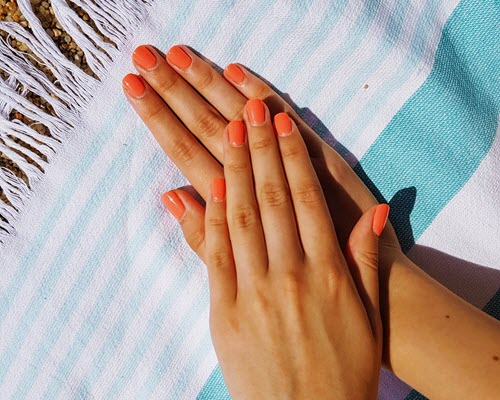
hands with beautiful skin
Photo by Lazar Gugleta on Unsplash

Aloe

Aloe vera is a handy thing to have in your cabinet, especially in the summertime. When rubbed gently on the skin, aloe vera is incredibly soothing to sunburns and can even help it heal faster. While I could easily pick up aloe vera lotions and creams in the grocery store or a drug store near me, having an aloe vera plant is another great way to reap its benefits in raw form. Simply use the gel-like substance directly from its thick leaves.

Coconut Oil

Coconut oil is great to cook and bake with, but it’s also amazing for your skin. Besides having natural anti-bacterial properties, it’s incredibly moisturizing and can be used even on sensitive skin. Use it when treating athletes foot or toe fungus, or for clearing up folliculitis, a common skin rash caused by inflamed hair follicles on the arms and legs. Coconut oil is very high in antioxidants, which means regular use can actually improve the texture and appearance of your skin.

So next time you’re at the drug store, pharmacy or grocery, keep a lookout for these natural ingredients that can help keep your skin healthy. But if you have more serious skin conditions, such as eczema, psoriasis, warts, fungal infections, wounds and scars that require customized treatment, you should always consult a professional healthcare provider. Compounded medications can be ordered from a dermatology compounding pharmacy to contain ingredients to help with various skin conditions. They include topical delivery systems to provide localized treatments in many different forms, including ointments, gels and creams  to enable better absorption into the skin.

How to Remove Stains Around the House With Easy to Find Ingredients

Stains can be extremely frustrating, especially if it’s on something noticeable like the carpet or a favorite piece of clothing. Some items might be able to be saved by taking to a Boston dry cleaner, but let’s try to salvage them at home first. Read on for ways to remove stains around the house using easy to find ingredients.

Baking Soda

Baking soda is pretty much a superhero when it comes to stain removal. To make a stain-fighting paste, mix a few tablespoons of baking soda with a little bit of water at a time until it forms a thick paste. For carpet stains, rub the mixture on using an old toothbrush, let dry and then vacuum up. This is a great method for pet stains because it acts as an odor remover as well. For clothing, blankets and comforters, mix a bit of laundry detergent with the baking soda paste and pre-treat stains with a toothbrush or small nailbrush. Let sit for about 20 minutes before washing normally. You may need to repeat the process once or twice more for complete removal. Sometimes, big items are a bit too bulky to handle on our own. In that case, I always get a laundry delivery service in Boston to pickup the household items for cleaning.

Lemon Juice

Lemon juice is a great natural ingredient to use on armpit and sweat stains. Scrub stains with equal parts lemon juice and water and then wash normally. For ink stains, make a paste with lemon juice and cream of tartar and rub stain with a toothbrush, let sit for 20 minutes and then wash normally in cold water.

Coconut Oil

Coconut oil is a great way to treat upholstery stains. Mix with a little baking soda and gently rub on the stain to loosen. Then treat with the desired method or cleaning products. Don’t use coconut oil on suede or leather furniture.

Try these simple methods with easy to find ingredients to treat your stained items. If all else fails, that’s what your nearby dry cleaners are for!

How to Repurpose the Clothes in Your Closet

The New Year is right around the corner, so it’s time to unclutter your life. When was the last time you cleaned out your closet? Are there clothes that need washing, or even professional cleaning by a dry cleaner? Put them in a pile and if there are a lot of clothes that need cleaning, it is wise to use a laundry delivery service.

It’s a great idea to donate the clothes you no longer wear, but what about those pieces that aren’t quite in shape to donate? Or the pieces you want to hold onto but aren’t sure how to use them? Read on for some ideas on how to repurpose the clothes in your closet.

Woman picking clothes in her closet

A T-Shirt Quilt

Have lots of old band or travel t-shirts sitting around? A t-shirt quilt is a super cute way to preserve your memories while repurposing those old shirts. If you’re not the crafty type, don’t worry. There are several different companies and services that do this sort of thing for you or, ask around for local artisans.

Turn Long Sleeve Shirts into Wrap Skirts

Most dress shirts last 6 months to a year, whether you use a shirt laundry service or not. Cotton shirts lose their shape after a while, but there’s no need to throw them out. By wearing the torso portion of the shirt and wrapping the sleeves around your waist into a bow in the front, you’ve got a comfortable wrap skirt you can wear over leggings or on its own. This works for solid colored shirts of course, but prints are even better!

Turn Tees into Cardigans

Have some old tees that are a bit too tight but you’d love to hang on to them? Turn them into cardigans! This awesome hack lets you hold on to your favorite old tees while repurposing them into your current wardrobe. And you don’t even need to know how to sew! Using a pair of scissors, simply cut a line straight down the middle of the tee. Then use hem tape, which you can find at any craft store, to straighten the cut edges. If I want to add buttons or fastens, I can simply ask the expert tailor at the Boston dry cleaner near me to do it for a small charge.

So time to go through your laundry piles and clean out that closet! After gathering up donations for your local organization or shelter, try some of these fun ideas to repurpose your clothes.