The winter weather can wreak havoc on our skin. It can be even worse if you have sensitive skin to begin with. It’s important not to ignore the beginning signs of dry skin, since it can quickly become flaky and cracked if ignored. Cracked skin can lead to pain, bleeding and even skin infections. Here are some ways to take care of your dry skin in the wintertime.
Stock Up on Good Quality Lotions, Creams and Moisturizers
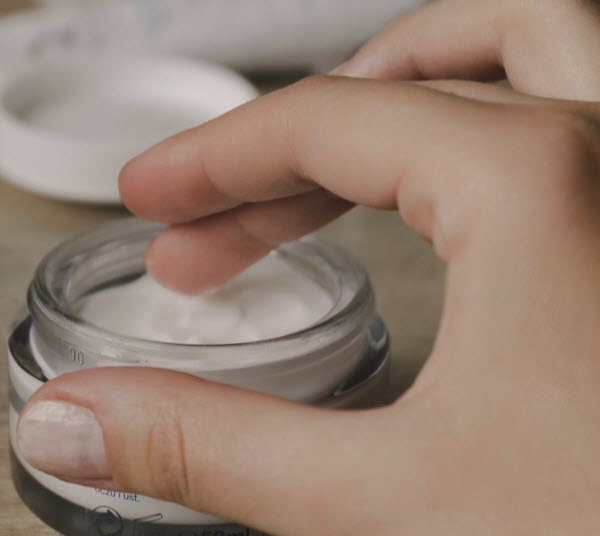
Lotion is an absolute must in the winter. You’ll find that you need to moisturize much more often than you do the rest of the year. Having several bottles of good quality moisturizer or cream in your house, in your car and in your purse or backpack will keep you prepared. Apply it on your hands and forearms several times a day, as those are the areas that tend to get the driest. But also apply to your whole body right after a hot shower, that will ensure your skin will stay moisturized longer. The pharmacy near me has a great selection of lotions, creams and moisturizers, and I can also consult the pharmacists there for the products that suit my skin. If needed, they also offer skin compounding service, providing compounded medications with specific strengths, dosages and forms for skin conditions such as eczyma and psoriasis.

Don’t Forget About the Kiddos
Kids tend to get incredibly dry skin in the winter, and may not think or be able to tell you. Be sure you’re applying lotion daily to sensitive areas. Always check the ingredients and try to use unscented or undyed when possible. And don’t forget the diaper cream!
Beware of Irritants
Dry flaky skin can be especially sensitive to irritants. So it’s important to be aware of what kind of products you’re using on your laundry in the winter time. If you use a wash and fold service, or take items to the dry cleaner, be sure to let them know about your sensitive skin and allergies.
Aging Skin Can be Particularly Dry and Sensitive
If you are caring for an elderly family member, be sure to keep their skin moisturized in the winter time as well. Any home caregivers or medical help should be aware of any sensitivities or allergies your loved one has. Keep an eye out for reactions from certain products.
Dry skin can be a nuisance, but by taking a few extra steps in the winter, you can keep your skin soft and moisturized.
 Home and Family
You must be logged in to post a comment.