Winter Care for Elderly Loved Ones

Winter is hard on everyone in Boston. The days get shorter and we all suffer through frigid temperatures. Now imagine how it must feel for your elderly loved ones.

They are far more prone to injury because of fragility. Their muscles and joints don’t work the way they used to, which can lead to falls. Cold affects them in a harsher way, and they are more likely to get frostbitten or sick.

That is why winter care for the elderly is important. Having a good winter care strategy will keep them safe during this high risk time of the year.

Preventing Winter-Related Injuries

We’ve all stumbled a little when walking around in the winter. Sometimes you don’t know there’s ice until you already slipped over it. This is especially dangerous for the elderly because falls can lead to life-altering or life-threatening side effects.

Even at home, seniors are prone to falls unless their home has been carefully prepared to prevent falls. Good lighting and proper stair maintenance are important. Also, canes, handle bars and reaching aids are useful tools that can reduce the risks of tripping, slipping or falling.
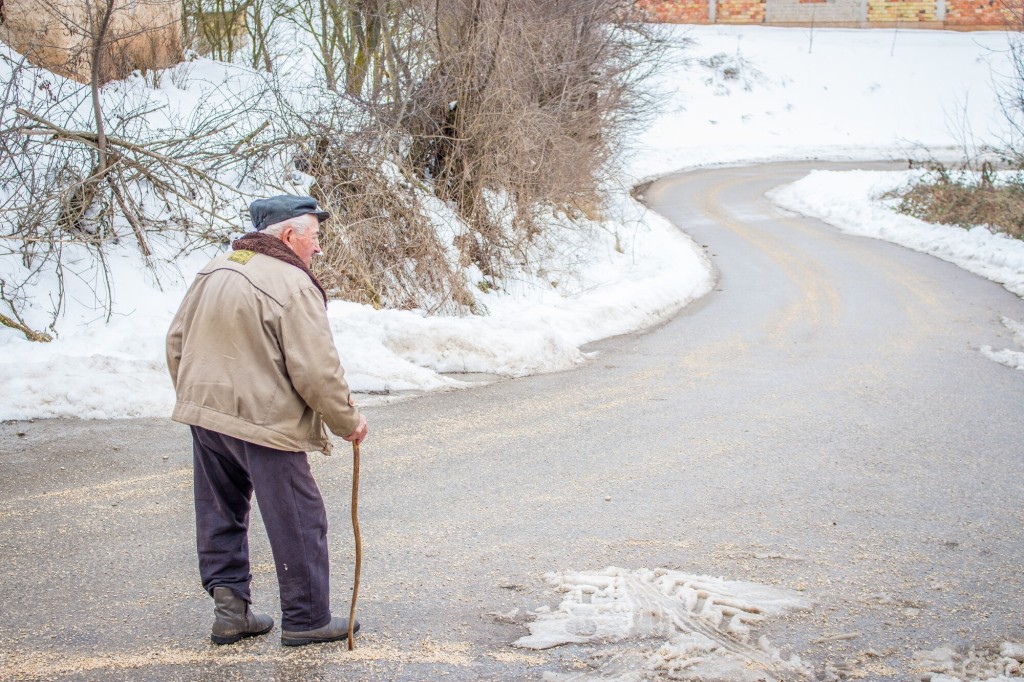
Old man with a cane

The cold itself is also dangerous. Elderly people get colder faster. There are heated clothing benefits that you should consider. They can help the elderly minimize the risk of developing hypothermia and frostbites.

Properly winterizing the home can prevent many accidents for our elderly loved ones. That means things like checking that the windows are well-insulated, having the roof inspected to ensure it won’t get crushed under heavy snow, checking their heating system and refilling the propane or oil before it gets too low, and other safety precautions.

Staying Indoors

When it’s icy and cold outside, it’s better to hibernate a little bit. There are plenty of holidays to prepare for in the winter that will keep you and your elderly loved ones occupied.

After the holiday season, senior citizens tend to get lonely and a little sad. It’s hard for friends and family to visit because of the weather. Staying inside too much isolates them and makes them feel lonely.

home care companion can help them feel less alone. Not only can a home care aide provide emotional support, they can also take care of basic housekeeping, run errands, and do meal prep.

Your senior care strategy should also include regular cleaning and changing of bed linens and laundry. Bedding is bulky and difficult to thoroughly clean in household washers and dryers. Hiring a laundry delivery service will make things easier.

Skincare and Nutritional Supplements

It gets drier when it’s cold and elderly skin can start to crack and bleed. Prevent this by having a dry skin lotion or cream with plenty of moisturizing elements around the house and reminding your loved one to use it.

Make sure you the cupboard. One easy way to stay healthy is by making sure you’re getting the proper nutrition.

In the summer, it’s easier to stop by and make sure your elderly relatives are eating nutritiously. During the winter, vitamins and supplements can be a good way to ensure they’re getting the nutrition needed to get through the winter.

If you have senior loved ones living by themselves at home, these winter safety measures should not be taken lightly. Fortunately, proper preparation can alleviate most problems. We hope these winter safety tips will help you and your loved ones stay safe this winter.

Tips for Newbie Pet Owners on Caring for Dogs

Dogs are a great companion for seniors, kids and practically people of all ages. If you’re new to pet ownership, it may seem a bit overwhelming. But even if it sometimes hard work, caring for a dog is SO worth it. Here are some tips for caring for dogs.

Prepare for Dog Hair. EVERYWHERE

It’s just part of being a dog owner. Dog hair gets everywhere. You get used to it. But there are also ways to cut down on the hairiness. Taking the bedding, throws, blankets and other household items to the local dry cleaners every so often is certainly a big help. But you could also invest in a special brush for your fur baby. Brushing a dog at least weekly will cut down on shedding. Long-haired breeds may need monthly trips to the groomer as well.

woman practising yoga with dog at her side.
Photo by cottonbro on Pexels.com

Check Out Local Dog Parks

Dogs go nuts with the hoops, hurdles and tunnels in dog parks. They are the perfect way to get them to work out some energy and socialize with other dogs. Most dog parks have certain requirements like registration, updated vaccination records, and a clean bill of health. Make sure you check your town’s community parks website for more information. They may require a special tag before entering.

Special Health Concerns

It’s common for some dogs to develop special health concerns like skin rashes or even GI issues. Sometimes your vet will prescribe meds that can be picked up at a pet compounding pharmacy. For skin concerns, you may want to try special shampoos for sensitive skin. These may have to be specially ordered online, but always check with your local pharmacy or pet store first. Never use products made for people on your dog.

Have Plenty of Safe Toys for the Puppy Stage

Puppies love to chew. It’s what they do. So it’s best to stock up on safe toys specially made for young dogs. Just like babies, dogs go through a teething stage. If they don’t have a toy to chew on, they’ll find something else, like your shoes or clothes. Most vets recommend a combination of soft and hard toys, so your dog will always have a safe option when they get the urge to chew.

With a little preparation and know-how, dog ownership can be lots of comfort and fun. 

Winter Hazards for Our Pets

If we humans find snow and ice such an inconvenience, imagine how our furry companions feel! The rock salt that we spread all over the ground to help combat the slippery ice can actually wreak havoc on the sensitive little paws of our doggy friends. The salt can also be damaging to their noses, skin and even digestive systems if ingested. So how can we be more careful in the wintertime to protect our precious puppies?

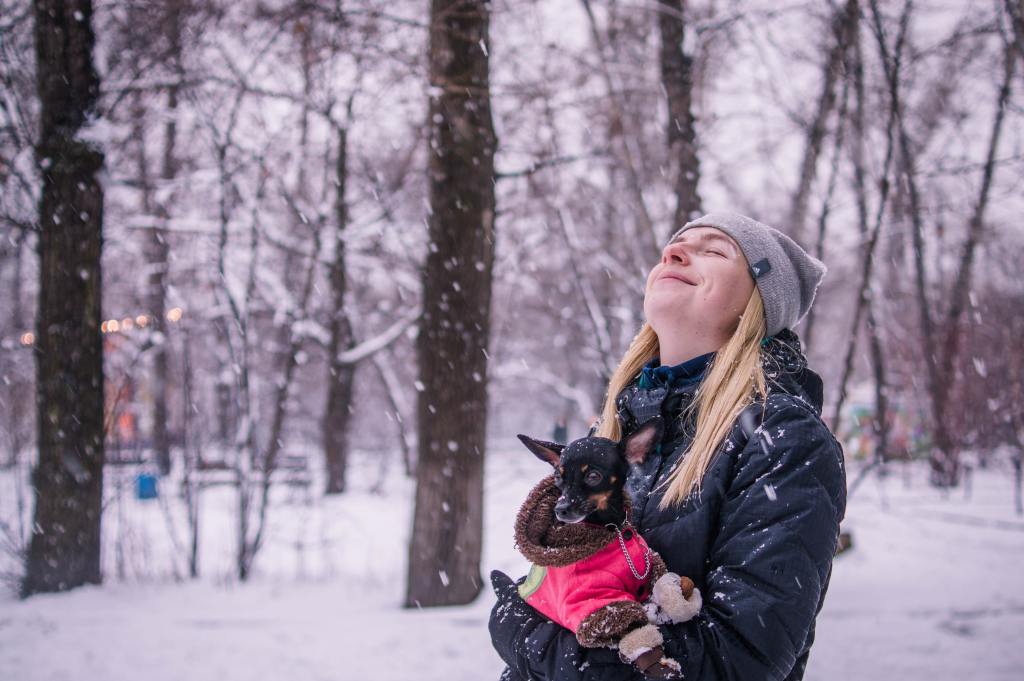
woman holding dog in snow

Keep Your Pup’s Feet Dry

It’s a good idea to rinse or wipe your dog’s feet off if they’ve been walking in the salt and ice. But make sure to dry them afterward. Wetness behind your dog’s toes can lead to bacterial or yeast infections, so it’s essential to keep their feet dry after spending time outdoors. Golden retrievers and labs are prone to skin infections due to wetness, as are most dogs with longer fur. If you own a long-haired breed, it’s a smart idea to keep the hair around their nails trimmed. This can cut down on bacterial growth.

Buy a Cute Dog Jacket and Booties

It’s impossible to keep your dog’s feet dry during the winter. So if you have a dog with sensitive skin, it might be worth it to buy your pal some booties. Dog booties are great to have for walks and playtime outside in the cold temps and look adorable. You might as well buy a matching jacket for those booties to complete the look. The jacket will give your dog an extra layer of warmth for those winter walks. Salt and ice melting products can easily stain fabrics, so when I don’t have time to remove the stains when I do the laundry, I would throw my dog’s outfits in with my clothes when I make my weekly trip to the dry cleaner near me.

Keep Up With Regular Vet Visits

Dogs can sick in the wintertime just like us. If you notice your doggy has a cough, or is fatigued and just “off”, be sure to take him or her to the vet right away. Sometimes special compounded medications or antibiotics with different strengths or flavors may be necessary to suit your pet’s unique biochemistry, so don’t try to treat them at home without the advice of a professional pharmacist.

Dogs are special. They keep us company, keep us safe, provide companionship for elderly and those with special needs, and they’re our best friends. Be sure to take care of your furry friends this winter, just like they take care of us!