Laundry and Cleaning Tips for People With Sensitive Skin

Do you have sensitive skin? Since 70% of Americans describe themselves as having sensitive skin, I’m going to guess that you do. Sensitive skin is defined as skin that gets easily irritated by the use of products with added perfumes, dyes, or chemicals. Irritation can present itself as redness, itchiness, or even rashes. So if you have sensitive skin, you should be careful, otherwise you would end up spending a lot of money on skin products or even need to see a dermatologist for compounded medicine for skin care. Fortunately, there are easy precautions you can take when it comes to doing the laundry or cleaning in your home, to avoid aggravating your skin.

woman handling clothes at home
Photo by Sarah Brown on Unsplash

Always Read Labels

Whether it’s laundry detergent, cleaning products, or face wash – I always read the labels on any product I buy to look for ingredients that may irritate my skin. Sometimes that can be tricky if you’re not sure which ingredients are causing your irritation. Thankfully, since sensitive skin is such a common thing, it’s easy to find products made especially for that very thing. Look for labels that say “hypoallergenic,” “green,” or “free from dyes and perfumes.” 

Test Products First

Trying a new laundry detergent or body wash can be nerve-wracking if you’re not sure how your skin will react. For this reason, try testing first. For laundry detergent, wash just a few items and try wearing them for a few hours. If no redness or irritation occurs, you’re probably in the clear. Most stores will even allow you to return products if they end up being a problem for you skin. But to be on the safe side, I would check the store policies before buying.

Let Your Laundry Delivery Service or Dry Cleaners Know

If you use a laundry delivery service or take your clothes to a dry cleaner often, make sure you let them know about your sensitive skin. Most dry cleaning services have an alternative soap or detergent to use for people with concerns about irritants. Green dry cleaners, in particular, will usually have a “green” or “natural” option for certain items. It never hurts to ask.

Sensitive skin doesn’t have to change much in your routine. Be aware of the products you’re using and take extra precautions, and your skin will thank you.
Prescription Drugs that Treat Acne

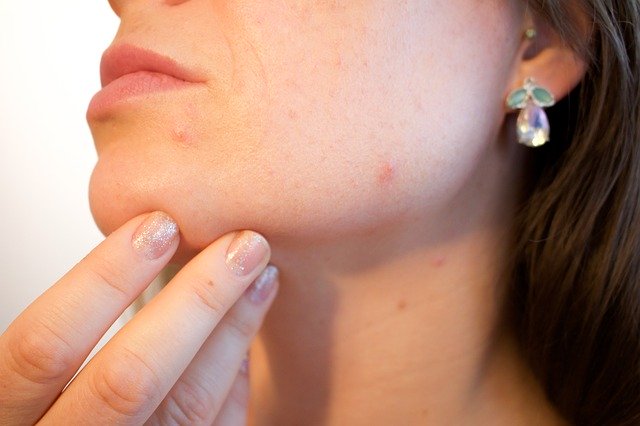
Acne is a troublesome skin issue that can affect people of all ages, ethnicities, and backgrounds. Pimples certainly don’t discriminate. And when it comes to treating acne, some look to prescription drugs when over the counter creams and washes fail to work. Some even go further and get compounded medications for skin conditions from certified compounding pharmacies. Let’s take a closer look at the prescription medications commonly prescribed by dermatologists.

Antibiotics

Before a doctor prescribes a strong medication, they usually like to start with antibiotics. When someone suffers from chronic acne, there’s a lot of inflammation under the skin. Unfortunately, antibiotics tend to only treat this symptom and not the underlying cause. Also, being on antibiotics long term can mess with your immune system, so keep that in mind before getting that prescription refill.

woman touching her face with acne

Retin-A

This medicine, only available at a prescription pharmacy, has been shown to have virtually no side effects when used topically. However, if you’re using it to treat acne, it can be clogging to the pores, and even make your acne worse.

Accutane 

Accutane is an extremely strong prescription drug prescribed for severe cases of acne. The side effects are certainly serious enough to make you second guess that prescription delivery. Accutane has been linked to depression, Chron’s Disease, and even birth defects.

Acne Treatment Without Prescription Drugs

Before you run out to the local pharmacy to pick up that acne prescription refill, consider the underlying cause of your breakouts. The actual cause of acne is retention hyperkeratosis, which is when your pores tend to shed skin cells more quickly than usual. So if you get breakouts regularly, it’s essential to keep your pores clear from excessive buildups. Finding the right products to do this can be tricky, but a good rule of thumb is the fewer ingredients in your products, the better. You don’t want to contribute to the buildup in your pores by adding more pore-clogging products to your skin.

Keep It Simple

Look for products with clean, simple ingredients. A simple cleanser and light moisturizer is really all you need, so don’t be tricked into multiple products that are marketed towards acne sufferers. Adding more junk to your pores is not going to clear your breakouts.

So before you run out to your local pharmacy for a prescription refill, consider the real cause of your acne and try a simpler approach.

Natural Products to Use on Your Skin

There is no need to spend tons of money on expensive skin products and lotions. But by stocking up on a few different natural ingredients that are inexpensive and easy to find at a local grocery store or community pharmacy near me, I can always be prepared for a variety of skin-related situations. Read on to learn more.

Witch Hazel

No, it’s not something to use to put a curse on someone. Witch hazel is actually a common astringent that used for many different topical needs. Besides being very inexpensive, you can usually find it in a few various forms at your local independent pharmacy. Because of its anti-inflammatory properties, you can use witch hazel for a variety of skin conditions like acne, eczema, psoriasis, rashes from allergic reactions and even hemorrhoids.

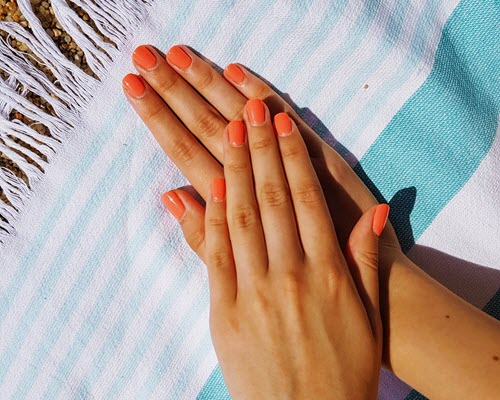
hands with beautiful skin
Photo by Lazar Gugleta on Unsplash

Aloe

Aloe vera is a handy thing to have in your cabinet, especially in the summertime. When rubbed gently on the skin, aloe vera is incredibly soothing to sunburns and can even help it heal faster. While I could easily pick up aloe vera lotions and creams in the grocery store or a drug store near me, having an aloe vera plant is another great way to reap its benefits in raw form. Simply use the gel-like substance directly from its thick leaves.

Coconut Oil

Coconut oil is great to cook and bake with, but it’s also amazing for your skin. Besides having natural anti-bacterial properties, it’s incredibly moisturizing and can be used even on sensitive skin. Use it when treating athletes foot or toe fungus, or for clearing up folliculitis, a common skin rash caused by inflamed hair follicles on the arms and legs. Coconut oil is very high in antioxidants, which means regular use can actually improve the texture and appearance of your skin.

So next time you’re at the drug store, pharmacy or grocery, keep a lookout for these natural ingredients that can help keep your skin healthy. But if you have more serious skin conditions, such as eczema, psoriasis, warts, fungal infections, wounds and scars that require customized treatment, you should always consult a professional healthcare provider. Compounded medications can be ordered from a dermatology compounding pharmacy to contain ingredients to help with various skin conditions. They include topical delivery systems to provide localized treatments in many different forms, including ointments, gels and creams  to enable better absorption into the skin.