One Year into the Pandemic

It was back in January last year when the first cases of COVID-19 were reported in the U.S., and in March 2020, the WHO declared the outbreak a pandemic. We are now one full year into the pandemic. It has been a hard year for everyone, but especially for our frontline workers, the elderly and their caregivers. We may be suffering from COVID fatigue but it is important that we remain vigilant and stay safe. I have some tips to share as we find our way through these difficult times.
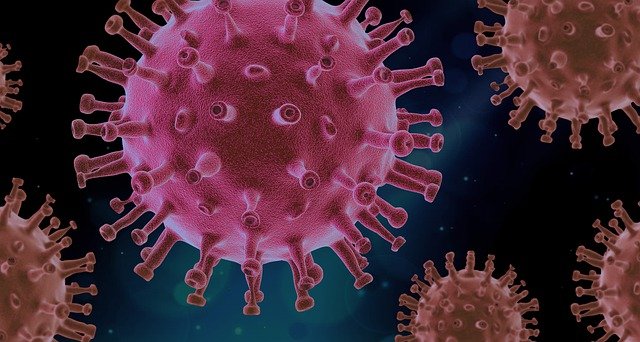
COVID-19 coronavirus

Plan for Vaccination

Make a plan to get your COVID-19 vaccine, and help older adults in your life make a plan to get their vaccine. Find out if you can get vaccinated at your favorite local pharmacy; many are administering vaccines to at-risk individuals. Your local health department is another good resource to find vaccination sites in your area. If you live in Massachusetts like me, you can go on MA DPH website for clinics/sites that are currently accepting patients for vaccinations.

In Massachusetts, vaccines go to those who are most at risk first. Your elderly family members who are 75+ may get vaccinated in Phase 1 and those who are 65+ may get vaccinated in Phase 2. If your loved one has an in-home caregiver through a home care agency, they should be vaccinated in Phase 1, too.

Keep Your Home Clean

Although COVID-19 is different from the common cold and flu, the same cleaning practices that reduce the spread of those illnesses will also reduce the spread of COVID-19. Wash your bedding and comforters often, and wipe down surfaces daily.

If your dry cleaners offer germ-free laundry services, take advantage of them — and consider using a laundry pickup and delivery service to minimize interpersonal contact.

Take Care of Senior Loved Ones

If you have older loved ones, do their grocery shopping for them so they don’t have to risk catching COVID-19 in public. Pick up their mail, bring them takeout, and run other errands so they can stay home, where they’re safer. 

Remember to support seniors’ mental health, too. Chat with them on the phone, play games together, or find a new TV show to enjoy together. If you’re feeling burned out caring for a loved one, consider signing up for senior respite care service.

Stay Informed

Dwelling on the news can be stressful, but you should check the news two or three days a week. This will ensure you stay informed about vaccine plans and safety protocols in your area.
Personal Hygiene During COVID-19

Everyday household tasks can become a source of anxiety in these times. Do you start worrying about how to get the basics done while keeping yourself and loved ones safe and healthy? Simple hygiene measures can help.

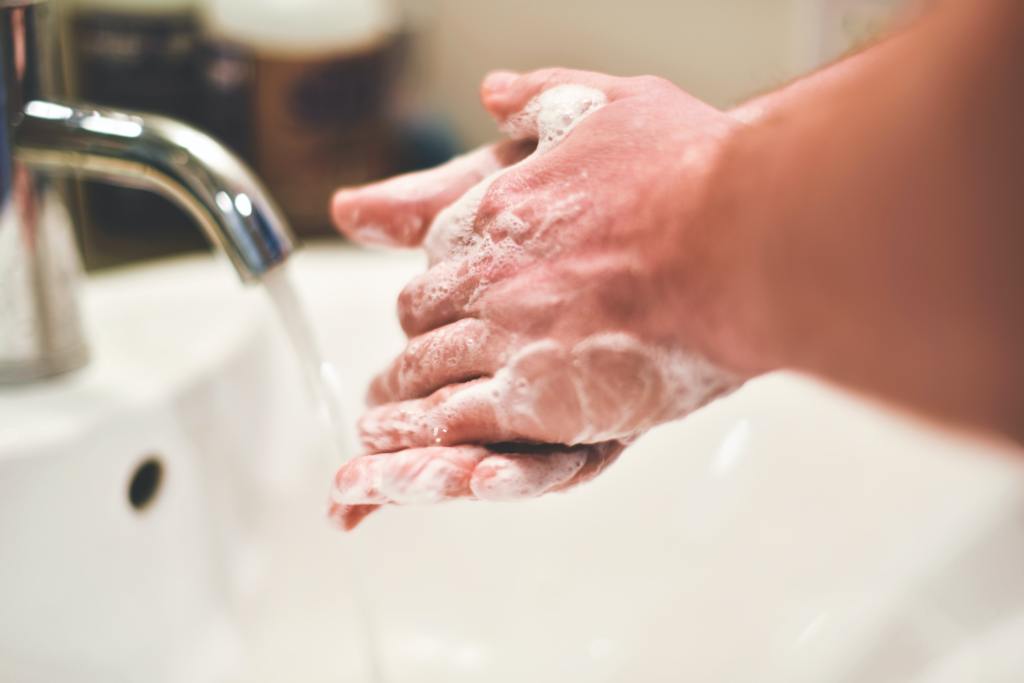
washing hands

Personal Hygiene

A piece of advice that is repeatedly stated by the authorities as a top precaution is to wash our hands frequently with soap and water or use hand sanitizer. Make sure the soap or sanitizer fully covers your hands, then rub hands together for 20-30 seconds. For hand sanitizers, use those that contain at least 60 per cent alcohol.  Having trouble finding hand sanitizers in the grocery store? Try your community pharmacy. If they have the ability to provide compounded medications, they may be able to produce sanitizers themselves.

Remember to avoid touching your face because the virus is spread through droplets that may cling to surfaces that you touched.

Cleaning Clothes

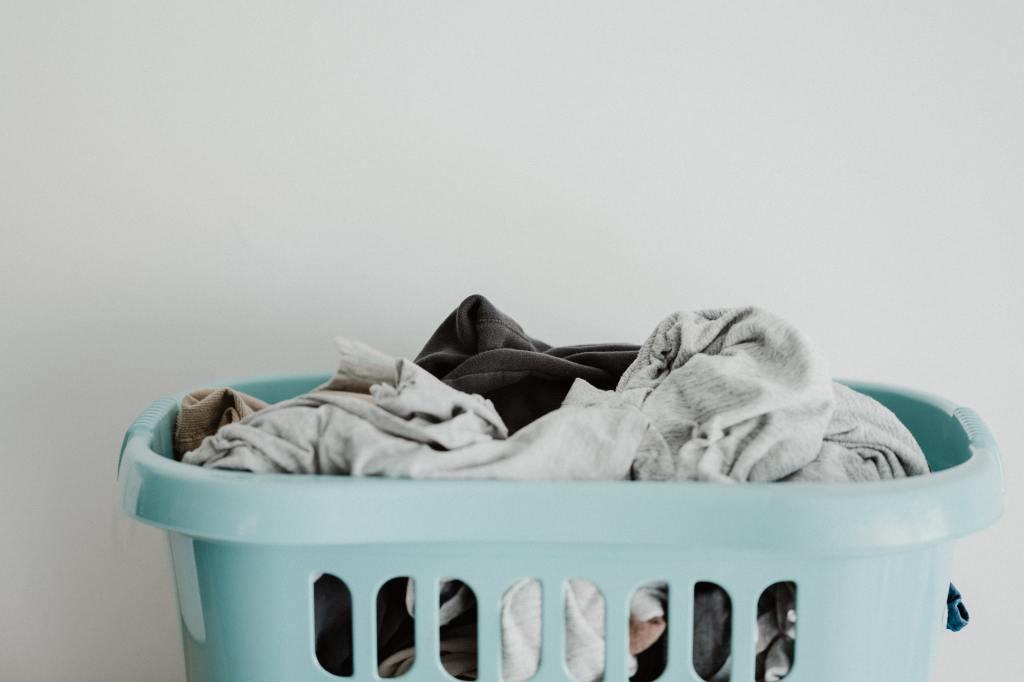
There’s no research as yet on how long the COVID-19 virus can survive on clothes or other fabrics, but it’s still a good idea to change and wash your clothes regularly — especially if you’ve just come home from the grocery store (or the office if you aren’t working from home).  If you are doing the laundry at home, wash your clothes using the warmest appropriate water setting in accordance with the manufacturer’s instructions. Make sure you dry the items completely. 

Consider using a laundry delivery service instead of making trips to the laundromat to avoid too much people contact and save time for other chores. Dry cleaning can help to disinfect clothing and other household items like towels and bedding because it uses high heat. Some Boston dry cleaners provide germ-free laundry services, too.

When handling dirty laundry from a person who has symptoms, wear disposable gloves. If you are using a drycleaning pickup service, you should tell the dry cleaner that the laundry may be infected.

Housecleaning

It is also important to clean and disinfect frequently touched surfaces or objects including tables, doorknobs, light switches, countertops, desks, phones, keyboards, sinks, and faucets at least daily. Clean dirty surfaces with a regular household detergent first, then disinfect with any EPA-registered household disinfectant.

Let’s all stay safe and healthy during these unusual times!

Photo by Irina Ba on Unsplash

Disinfecting Laundry at Home

With the COVID-19 outbreak surging in Boston, we are all concerned with keeping our home and family safe from germs, bacteria and viruses, especially when you have seniors living at home. You know how to keep your floors and surfaces disinfected, but what about your clothes and linens? When someone in the household becomes ill, it’s even more important to disinfect laundry to keep the rest of the family safe. Here are some easy ways to disinfect your laundry.

Photo by Annie Spratt on Unsplash

Tips for Easy Disinfecting

When someone in your home is sick, try to have them use 100% cotton sheets and clothes in light colors. This makes them easier to disinfectant in the washing machine using the strongest possible disinfectants. Wash all contaminated items separately from other laundry and wear gloves while handling it if possible. Wash your hands after and avoid touching your face.

Safe Laundry Disinfectants to Use at Home

Although it’s great for regular stains and soiling, regular laundry detergent isn’t strong enough to kill bacteria and viruses. Fortunately, there are several easy to find add-ins you can add to your washer to disinfect laundry.

  • Pine Oil Disinfectants – These are the most readily available disinfectants to use on fabric. They work best when used with warm water added at the beginning of a wash cycle. Look for 80% pine oil products for maximum efficiency.
  • Bleach – Bleach can be used on almost all fabrics, even colors believe it or not. Look for color-safe bleach and use the special bleach dispenser in your washer if it has one. Hot or warm water cycles work best.

In addition, innovative green dry cleaners such as Utopia Cleaners in Boston use a special environmentally-friendly soap to remove germs from your laundry. This germ-free laundry service is a good alternative to trying to disinfecting your own laundry at home.

Disinfect Your Washing Machine

After washing contaminated laundry, it’s important to disinfect your washing machine as well. Run an empty cycle with hot water and 1/2 cup bleach to kill any lingering germs and bacteria.

If you’re concerned about keeping your family safe and healthy, remember you can always take your laundry to the dry cleaners nearby to be disinfected as well. Use separate bags for contaminated items and wash or dispose of afterwards. Be sure to tell your local dry cleaner what items need disinfected and be specific about stains and damage. During this unprecedented time, it is best to use a laundry pickup service.